-
What this FAQ covers
-
What are weir parts?
-
What is a pool weir replacement and when should I do it?
-
Why do Weir pump parts cost more than generic alternatives?
-
What should a quality person check on a bilge pump or water pump?
-
Is rush delivery of a Weir part worth the extra cost?
-
What is a forklift, and why is it on this equipment FAQ?
I'm a quality/compliance manager at a flow equipment company. I review every incoming part and finished product before it reaches customers—roughly 200 unique items a year. In Q1 2024, I rejected 12% of first deliveries for spec mismatches. This FAQ answers the equipment questions I keep seeing from buyers, using the same checklist I use on the receiving dock.
What this FAQ covers
- What are weir parts?
- What is a pool weir replacement and when should I do it?
- Why do Weir pump parts cost more than generic alternatives?
- What should a quality person check on a bilge pump or water pump?
- Is rush delivery of a Weir part worth the extra cost?
- What is a forklift, and why is it on this equipment FAQ?
Now the direct answers.
What are weir parts?
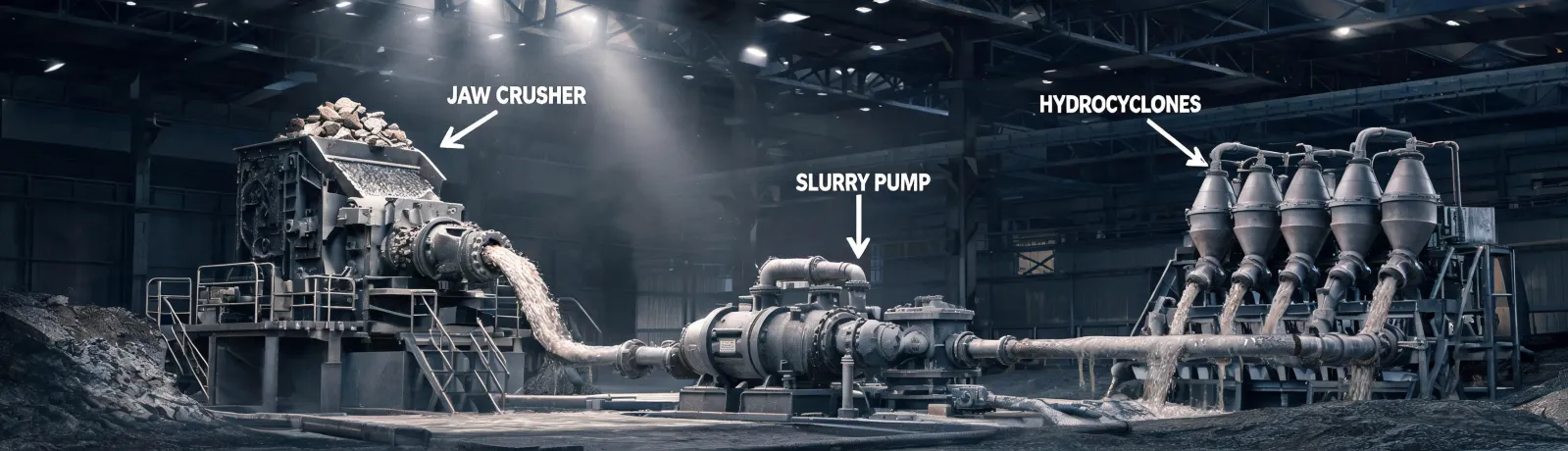
"Weir" is one of those words that depends on context. In industrial settings, Weir with a capital W is a manufacturer of slurry pumps, hydrocyclones, and valves. So "Weir parts" usually refers to Weir Minerals replacement parts—liners, impellers, shaft sleeves, and frame plate liners. But a "weir" with a lowercase w is also a low dam in a water channel—like a concrete weir in a canal—or the floating gate in a pool skimmer. A pool weir replacement is skimmer-related, not mining-related.
I get buyers who call asking for "weir parts" and they're actually standing in front of a pool skimmer. Context matters, and so does the part number. If you're ordering for a Weir slurry pump, have your pump model and wet-end part number ready. If you're ordering for a pool skimmer, measure the weir opening—length, height, and hinge type. Both are "weir parts," but they're nothing alike.
What is a pool weir replacement and when should I do it?
A pool weir is the floating flap inside the skimmer mouth. It stops floating debris from washing back into the pool when the pump cycles off. Over time, the plastic gets brittle, the hinge breaks, or it loses buoyancy. When that happens, the skimmer stops catching debris well, and the pump can pull air—which is bad for the water pump and the whole circulation system.
How often do you need a replacement? Honest answer: it depends on sun exposure and water chemistry. The ones I've tested on commercial pools typically last 3–5 seasons. The cheapest aftermarket weir might fit, but check the sealing edge and hinge pin diameter. I rejected a batch of pool weirs in 2023 because the hinge pin was 1.5 mm undersized. The vendor said it was "within industry tolerance." The weir rattled in the skimmer and let debris bypass. So measure before you buy.
Why do Weir pump parts cost more than generic alternatives?
People think expensive vendors deliver better quality. Actually, vendors who deliver quality can charge more—the causation runs the other way. A genuine Weir impeller is cast with a specific alloy, heat treatment, and balancing that matches the pump curve. Generic alternatives might work for a while, but they're usually "compatible" rather than identical.
I learned this the hard way. A few years ago, we bought a "direct replacement" impeller for a slurry pump at 60% of the OEM price. It balanced okay on the bench, but it failed after 400 hours—about half the design life. The teardown showed the vane thickness was 15% under spec. That mistake cost us more than the savings because we had to schedule an unplanned shutdown and buy the genuine part anyway.
I'm not saying every aftermarket part is junk. I'm saying "fits" isn't the same as "matches spec." Put another way, "will it turn" is not "will it run for 1,000 hours under load." If the application is low-risk and you know the exact metallurgy, aftermarket can be a calculated gamble. For slurry, abrasion, or anything with safety implications, stick with a known source.
What should a quality person check on a bilge pump or water pump?
Bilge pumps and water pumps are not the same thing. A bilge pump moves water out of a boat's bilge; a water pump moves water through a pool, irrigation line, hydronic system, or process pipe. But the same inspection logic applies.
- Flow and head rating: Check the performance curve, not just max flow. A pump rated for 1000 GPH might only deliver 600 GPH at the head you need.
- Connection size: People buy the wrong hose thread all the time. Bilge pumps use outlets like 1-1/8-inch or 1-1/2-inch; water pumps use NPT or BSP threads. Measure first.
- Material: Bronze or stainless for saltwater, cast iron for clean water, plastic for light duty. Wrong material equals corrosion.
- Power draw: Confirm voltage and amp draw against your wiring. Undersized wires are a fire risk.
- Certification: For marine bilge pumps, look for UL 1129 or the relevant ISO standard.
I once skipped the spec check on a lot of bilge pumps. I assumed the vendor would ship what they quoted. They didn't. The impeller diameter was 3 mm smaller, so flow dropped below the customer's requirement. That was an $800 mistake on my part. Since implementing a formal verification protocol in 2022, our spec mismatches have dropped by about a third.
Is rush delivery of a Weir part worth the extra cost?
Yes—when the alternative is an unplanned shutdown. Let me put it in dollars. In March 2024, we paid a $400 rush fee for a replacement wear plate. The customer's plant was down; every hour cost them about $1,200 in lost production. The fee was the cheapest part of the whole equation. Missing the deadline would have cost a lot more than the part.
The value isn't just speed. It's certainty. A cheaper vendor can say "probably 5–7 days." A vendor with a guaranteed delivery date commits to a schedule. In my experience, "probably" is the biggest risk in emergency repairs. About 80% of our rush orders in 2024 were because someone waited on a "probably on time" promise. Since then, we budget for guaranteed delivery options on critical spares. It feels expensive until you do the math.
That said, I wouldn't tell you to pay a rush fee if you have a week of slack. Use standard freight, but make sure the supplier has actually shipped the correct item. A wrong part delivered fast is still a wrong part. If you're ordering genuine Weir parts, the Weir Parts Center network can help identify the right component and the fastest reliable route.
What is a forklift, and why is it on this equipment FAQ?
A forklift is a powered industrial truck used to lift, stack, and move material. Under OSHA's Powered Industrial Truck standard (29 CFR 1910.178), it's classified by power source and tire type: electric or internal combustion, cushion or pneumatic. If you're searching "what is a forklift," you're probably at the start of a buying or maintenance research loop. That's the right time to think about parts and support.
Why include it here? Because in a plant, pumps and forklifts live in the same maintenance budget. Procurement teams can save money on a great water pump, then spend it all on forklift repairs because they bought the cheapest aftermarket mast guide. The mindset is the same: check the part number, the spec, and the support before you buy.
A forklift isn't one machine—or rather, it's a category of machines from different manufacturers. To order the right hydraulic filter or engine water pump, you need the make, model, and serial number. Basically, "what is a forklift" has a simple answer, but the practical answer is: it's a machine that needs the same spec discipline as any other industrial equipment.